
June marks the beginning of summer in Michigan, making it one of the most important times of year for cool-season lawn care. Grasses like Kentucky bluegrass, fine fescue, and perennial ryegrass thrive in Michigan’s climate, but summer heat, drought stress, weeds, and lawn diseases can quickly weaken turf if proper care practices are ignored.
In this guide, we’ll cover the best June lawn care tips for Michigan homeowners, including mowing, watering, fertilizing, weed control, and summer stress management to help keep your cool-season lawn healthy and green throughout the season.
Best Mowing Practices for Cool-Season Grass in Summer
Proper mowing is one of the easiest ways to improve lawn health during Michigan summers.
What Height Should You Mow Cool-Season Grass?
For Kentucky bluegrass, perennial ryegrass, and fescues:
-
Maintain a mowing height of at least 3 inches
-
Taller grass shades the soil and helps conserve moisture
-
Higher mowing heights also reduce weed germination
Avoid removing more than one-third of the grass blade during a single mowing session. Scalping cool-season grass during summer can increase stress, weaken roots, and create opportunities for weeds and disease.
Should You Leave Grass Clippings on the Lawn?
Grass clippings act as a natural fertilizer by returning nutrients back into the soil. Most modern mowers can mulch clippings effectively without causing buildup.

How to Water Cool-Season Lawns During Summer
Michigan summers often bring higher temperatures and increased evaporation, making watering practices extremely important for cool-season turf.
Best Lawn Watering Schedule
To help your lawn survive summer heat:
-
Water deeply and infrequently
-
Apply approximately 1 inch of water per week
-
Water early in the morning
-
Avoid evening irrigation when possible
Deep watering encourages stronger root systems and improves drought tolerance.
How to Prevent Overwatering
Too much water can lead to:
-
Lawn fungus
-
Shallow roots
-
Soil compaction
-
Weak turf growth
Use a rain gauge or soil moisture meter to monitor conditions and adjust irrigation accordingly.

Best Fertilizer for Cool-Season Grass in Summer
Summer fertilization should support lawn health without overstimulating growth during periods of heat stress.
Why Balanced Summer Fertilization Matters
Cool-season lawns under stress benefit from:
-
Slow, steady nutrient delivery
-
Potassium for turf hardiness
-
Nitrogen for color and growth
-
Micronutrients for overall turf health
Many homeowners choose low salt-index liquid fertilizers during summer because they provide nutrients gently while reducing the risk of fertilizer burn.
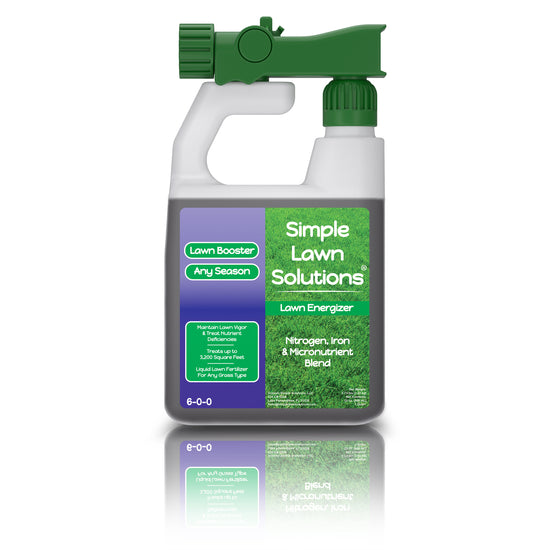
Products like 15-0-15 Nitrogen and Potassium Fertilizer and 6-0-0 Lawn Energizer liquid fertilizers are commonly used for spoon-feeding cool-season grass during hot weather.
Recommended Summer Fertilizer Bundle for Cool-Season Lawns
If you want a simple way to support your lawn during Michigan’s summer heat, the Cool-Season Summer Bundle from Simple Lawn Solutions is designed specifically to help cool-season grasses maintain color, strength, and overall health during stressful summer conditions.

This lawn care bundle helps provide nutrients and support for:
-
Kentucky bluegrass
-
Fine fescue
-
Perennial ryegrass
-
Other cool-season turf varieties
Summer Weed Control Tips for Michigan Lawns
Weeds compete with grass for nutrients, moisture, and sunlight.
Best Ways to Prevent Summer Weeds
To minimize weed pressure:
-
Maintain taller mowing heights
-
Fertilize regularly
-
Water properly
-
Spot treat weeds early
-
Keep turf dense and healthy
Selective herbicides may help control broadleaf weeds without damaging cool-season grass, but proper timing is important during hot weather.
Hand-pulling weeds can also be an effective, eco-friendly option for smaller infestations.
Preventing Lawn Disease and Summer Lawn Stress
Michigan lawns may experience lawn diseases during humid summer weather.
Common summer lawn diseases include:
-
Brown patch
-
Dollar spot
-
Leaf spot
How to Reduce Lawn Disease Risk
You can help prevent disease by:
-
Watering early in the morning
-
Avoiding excessive moisture
-
Mowing at the proper height
-
Reducing stress on turf
-
Monitoring your lawn regularly
Healthy lawns are naturally more resistant to fungal diseases and pest damage.
Summer Lawn Pests to Watch For
Several lawn insects become active during the summer months.
Common pests include:
-
Grubs
-
Armyworms
-
Chinch bugs
Signs of insect damage may include:
-
Brown patches
-
Grass pulling up easily
-
Increased bird activity
-
Thinning turf
Inspect your lawn regularly so problems can be treated early before widespread damage occurs.

June Lawn Care Checklist for Michigan
Use these cool-season lawn care practices during June:
✔ Mow cool-season grass at 3 inches or higher
✔ Water deeply and infrequently
✔ Fertilize carefully during summer stress
✔ Spot treat weeds early
✔ Monitor for lawn disease and pests
✔ Avoid scalping grass during mowing
✔ Keep irrigation balanced and efficient
Be sure to check out our cool-season lawn guide for more information on what to apply during each season.
With consistent summer lawn care practices, Michigan homeowners can help cool-season lawns stay healthier, greener, and more resilient throughout the hottest months of the year.

FAQ Section
How often should I water cool-season grass in Michigan during summer?
Cool-season lawns typically need about 1 inch of water per week during summer, including rainfall. Deep, infrequent watering is best because it encourages deeper root growth and improves drought tolerance.
What is the best mowing height for cool-season grass?
Most cool-season grasses like Kentucky bluegrass, perennial ryegrass, and fine fescue perform best when maintained at 3 inches or taller during summer. Taller grass helps shade the soil, conserve moisture, and reduce weed growth.
Should I fertilize my lawn in June?
Yes, light summer fertilization can help maintain lawn health and color. Many homeowners use low-salt-index liquid fertilizers and slow-release nutrients during summer to avoid overstimulating cool-season grass during heat stress.
Why does cool-season grass struggle in summer?
Cool-season grasses naturally experience stress during hot summer temperatures. Heat, drought, humidity, lawn disease, and shallow watering can all contribute to thinning, browning, and reduced growth.
What is the best way to keep cool-season grass green during summer?
Proper mowing, deep watering, balanced fertilization, weed control, and disease prevention all help cool-season lawns stay healthier during summer. Maintaining healthy soil and reducing stress on the turf are key to improving summer performance.
Is it safe to fertilize cool-season grass during hot weather?
Avoid applying nitrogen fertilizers to cool-season grass when temperatures consistently exceed 85–90°F. Heat-stressed turf cannot absorb nutrients efficiently and is highly vulnerable to fertilizer burn. Use a potassium-only product like 0-0-25 if you need to apply something, or wait until temperatures cool in late summer.
What causes brown patches in Michigan lawns in summer?
Brown patches in Michigan summer lawns are most commonly caused by drought stress, lawn fungal disease, or grub damage. Brown patch disease creates circular tan-to-brown patches and thrives when nighttime temperatures exceed 65°F with high humidity. Grub damage causes irregular brown areas where turf lifts easily like loose carpet.
What lawn pests should I watch for in Michigan lawns in June?
The most common lawn pests in Michigan in June are grubs, chinch bugs, and armyworms. Grubs are white C-shaped larvae that feed on grass roots underground — look for spongy brown areas that peel up easily. Chinch bugs damage turf in hot, dry conditions, and armyworms can strip a lawn overnight.
Can I overseed my Michigan lawn in June?
June is generally not the best time to overseed a Michigan cool-season lawn. Warm summer temperatures make it difficult for new grass seed to germinate and establish. Early fall, (late August through September) is the ideal overseeding window for Michigan, when soil is warm but air temperatures are cooling.
Should I aerate my Michigan lawn in summer?
Core aeration is not recommended for cool-season Michigan lawns during peak summer heat. Aerating stressed turf in summer can worsen drought damage and slow recovery. The best time to aerate cool-season lawns in Michigan is early fall, when temperatures cool and grass is actively growing.
What is the best summer fertilizer for Michigan cool-season lawns?
The best summer fertilizers for cool-season Michigan lawns are low-nitrogen, iron-rich products that maintain color without stressing heat-weakened turf. 15-0-15 Nitrogen & Potassium and Lawn Energizer 6-0-0 from Simple Lawn Solutions are ideal because they provide gentle nutrition and stress tolerance without the burn risk of high-nitrogen formulas.