
Texas summers are hot and long, especially in central, south, and west Texas. Managing a healthy lawn through these conditions requires understanding the grass type, water requirements, soil conditions, and seasonal stresses such as drought, disease, and insect activity.
Texas has a variety of turfgrasses in these different regions throughout the state. Bermudagrass, Zoysiagrass, St. Augustine, and Centipede turfgrasses perform well in Texas because of their high heat tolerance. Tall fescue and ryegrass are mostly present in North Texas, but are mainly used for overseeding purposes to give color throughout the winter months. The following tips can be implemented into a regular turfgrass maintenance program to keep your lawn green and performing well.
Best Grass Types for Texas Lawns
Warm-season grasses perform best throughout most regions of Texas because of their heat and drought tolerance.
Popular Texas lawn grasses include:
-
Bermudagrass
-
St. Augustinegrass
-
Zoysiagrass
-
Centipedegrass

In North Texas, cool-season grasses like tall fescue and ryegrass may also be used for winter overseeding. Understanding your grass type is important because mowing height, watering schedules, and fertilizer needs can vary between turf varieties.
How to Water Your Lawn During Texas Summers
Proper irrigation is one of the most important parts of summer lawn care in Texas. There are potential water shortages in certain regions throughout the Southeast, and conserving water is a good practice when applying irrigation to turfgrass.
Irrigating too heavily wastes a lot of water but also invites the potential for turfgrass diseases, turf thinning, shallow rooting, reduced stress tolerance, and increased soil compaction. Watering practices also influence conditions; however, allowing your lawn to dry excessively increases the risk of losing turfgrass from lack of water and reduces the aesthetics of the home lawn.
Overwatering can lead to:
-
Lawn fungus
-
Shallow root systems
-
Soil compaction
-
Increased disease pressure
-
Weak turf growth
Underwatering can cause:
-
Drought stress
-
Dormancy
-
Brown patches
-
Turf thinning
Best Lawn Watering Practices
For most warm-season lawns, apply approximately:
-
1–1.5 inches of water per week
-
Water deeply and infrequently
-
Irrigate early in the morning
Morning watering helps reduce evaporation while giving grass time to dry before nighttime, which can help minimize disease development.
Use a Catch Can Test
One of the best ways to improve irrigation efficiency is by performing a catch can test.
To calibrate your sprinkler system:
-
Place equal-sized containers around the lawn.
-
Run irrigation for 15–30 minutes.
-
Measure water collected in each container.
-
Calculate your sprinkler output.
This helps ensure your lawn receives enough moisture without wasting water.

Raise Mowing Height During Summer
Mowing height is of the utmost importance when maintaining your lawn during summer. Certain grasses prefer a cutting height range to stay healthy. During the summer, it is best to raise the height of the cut slightly so roots don’t become shallow and stressed due to water loss and evaporation. The increased area of leaf tissue goes a long way in protecting the overall turfgrass plant from extreme stress.
Mowing frequency can also be reduced by increasing the height of the cut because less is removed in a single mowing session. The height can be lowered once temperatures return to late spring or early summer status. Never remove more than ⅓ of the overall leaf tissue in a single mowing, as this can be very detrimental to the health of the grass. Sharp blades are always required so a clean leaf cut can be accomplished and protected from environmental stresses and diseases.
Cutting grass too low can:
-
Increase drought stress
-
Expose soil to excessive heat
-
Cause shallow roots
-
Reduce moisture retention
Proper Summer Mowing Tips
During extreme heat:
-
Raise your mowing height slightly
-
Never remove more than ⅓ of the grass blade
-
Mow with sharp mower blades
-
Reduce mowing frequency during drought stress
Taller grass blades provide shade for the soil and help retain moisture during hot Texas summers.

Best Fertilizer for Texas Summer Lawns
Fertilization is a sure way to encourage turfgrass growth at a steady pace. However, it’s important only to apply the precise nutrients the lawn needs. High nitrogen can be applied during the summer, but can result in lush growth, increased thatch, and disease pathogens. It is a good practice to apply a slow-release nitrogen such as Urea Triazone and iron to maintain color, which will protect against overstimulating the grass into the danger zone.
Excessive nitrogen can lead to:
-
Excessive top growth
-
Increased mowing
-
Thatch buildup
-
Greater disease susceptibility
Slow-Release Lawn Fertilizer Works Best
Many lawn professionals recommend slow-release nitrogen fertilizers during summer because they provide more consistent feeding.
Look for fertilizers containing:
-
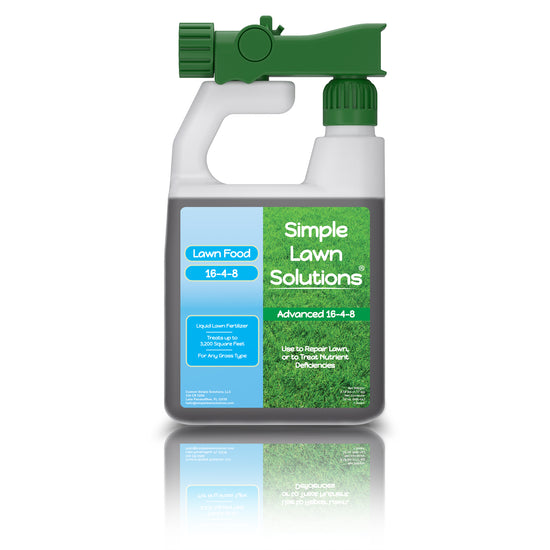
Slow-release nitrogen, like 28-0-0 High Nitrogen Lawn Fertilizer
-
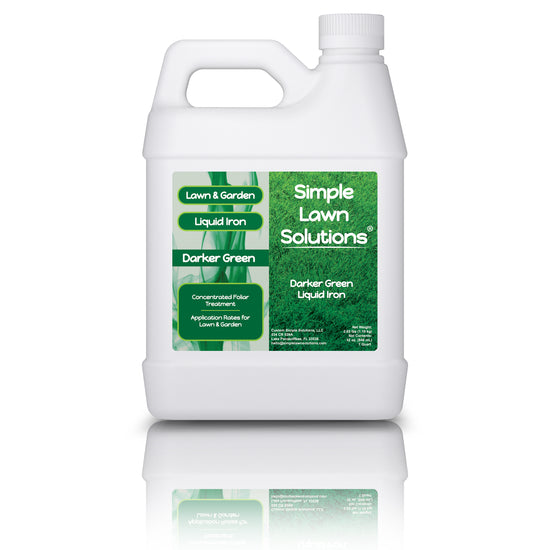
Iron for a deeper green turf, Darker Green Iron Fertilizer
-
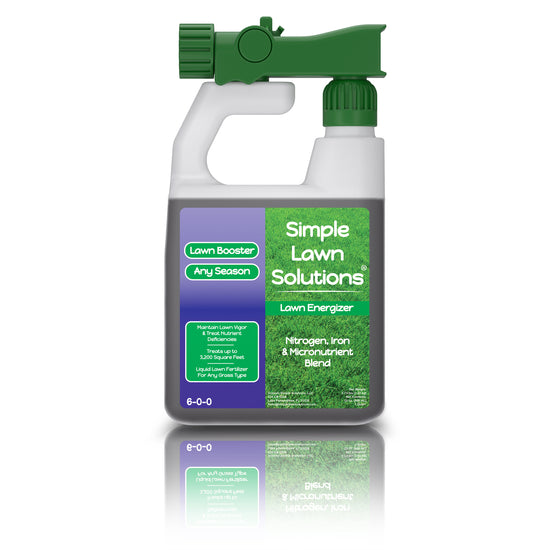
Micronutrients for turf health, like Micro Booster
Balanced fertilization helps maintain lawn color while supporting stronger roots for improved water absorption. Keeping warm-season grass healthy during Texas heat often requires a combination of nutrients, iron, and soil support products.

Our Warm-season Summer Fertilizer Bundle has slow-release nitrogen, iron, and potassium fertilizers to provide consistent feeding, keeping your lawn looking its best.
Common Summer Lawn Diseases in Texas
High heat and humidity create ideal conditions for lawn fungus and turf diseases. Diseases on high-profile turf and aesthetically pleasing appearances of lawns can all attract diseases and pests if the conditions are optimal for their life cycle. Diseases can appear as lesions on the leaf tissue with a slimy, cottony appearance during summer.
Some diseases can become devastating in as little as 24 - 48 hours. Therefore, continuous monitoring by visually inspecting the turf is required if a severe, destructive disease forms and alters the grass plant's life cycle. High temperatures, high relative humidity, and too much moisture can be a perfect breeding ground for most diseases.
Common lawn diseases include:
-
Brown patch
-
Large patch
-
Dollar spot
-
Leaf spot
-
Rust disease
How to Prevent Lawn Fungus
To reduce disease pressure:
-
Water early in the morning
-
Avoid excessive nitrogen
-
Improve airflow
-
Aerate compacted soil
-
Monitor for symptoms regularly
In severe cases, preventative fungicide applications may help protect high-value lawns.

Summer Lawn Pests to Watch For in Texas
Texas lawns are vulnerable to many destructive summer pests. Insect activity from mole crickets, chinch bugs, armyworms, grubs, and natural predators can quickly invade your lawn and cause damage. Identifying the damaging pest is essential in applying the appropriate control measures. Some insects have chewing mouthparts, while others, such as chinch bugs, inject toxins into plant tissue, causing adverse growth conditions. Armyworms can damage a lawn overnight and must be controlled before damaging the entire property.
Preventive measures can be applied to diseases, but it is tough to apply them to insect activity. So, make yourself aware when insects can become most active and what damage they can cause.
Common lawn insects include:
-
Chinch bugs
-
Armyworms
-
Mole crickets
-
Grubs
-
Cutworms
Some insects chew grass blades while others damage roots or inject toxins into the turf.
Signs of Lawn Insect Damage
Watch for:
-
Sudden brown patches
-
Thinning turf
-
Grass pulling up easily
-
Increased bird or animal activity
Inspecting your lawn regularly can help catch pest problems early before widespread damage occurs.
Lawn Aeration and Soil Health
Core aeration improves infiltration, oxygen levels, and growth potential. However, it can be very stressful to your lawn if performed during stressful times of high heat and drought. Therefore, it is safe to perform this practice when the turf is actively growing and has the energy to combat the self-induced stress. Soil aeration is one of the most essential tasks that can be performed on the home lawn to improve growing conditions and move nutrients into the root zone profile.
Compacted soil limits:
-
Oxygen movement
-
Water infiltration
-
Root growth
-
Nutrient absorption
Why Aeration Matters
Core aeration helps improve:
-
Root development
-
Soil drainage
-
Nutrient movement
-
Overall turf health
Aeration is best performed when warm-season grasses are actively growing and capable of recovering quickly.
Topdressing with screened topsoil or coarse sand helps retain nutrients and increase capillary space throughout the soil profile. Additionally, topdressing will decrease thatch thickness as the microbes within the material will feed on the dead, organic material.
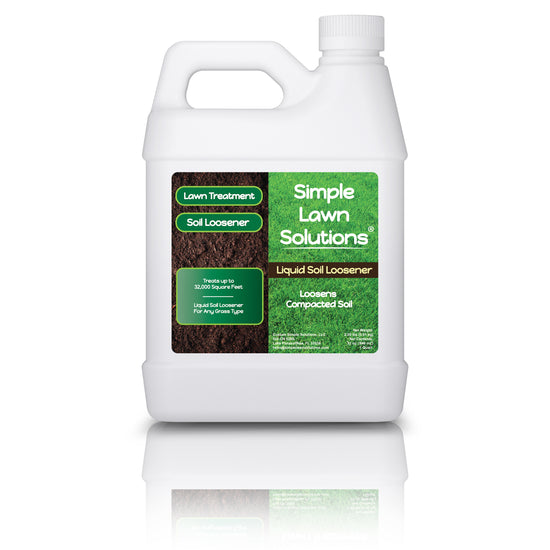
For best results, combine our Liquid Soil Loosener with core aeration to improve water filtration.

Weed Control During Texas Summers
Weeds compete with grass for sunlight, nutrients, and water.
Best Weed Prevention Tips
Healthy turf is the best natural weed defense.
To reduce weed problems:
-
Apply pre-emergent herbicides in spring
-
Mow properly
-
Fertilize consistently
-
Water correctly
-
Maintain dense turf coverage
Post-emergent herbicides may still be needed during summer for breakthrough weeds, but applications should be timed carefully during high temperatures.
Recommended Lawn Fertilizer Bundle for Texas Summers
Keeping warm-season grass healthy during Texas heat often requires a combination of nutrients, iron, and soil support products.
If you want to simplify your summer lawn care routine, check out the Warm Season Summer Fertilizer Bundle from Simple Lawn Solutions. This bundle is designed to help support warm-season grasses during stressful summer conditions by promoting healthy color, stronger roots, and improved turf performance throughout the hottest months of the year.

Using the right lawn care products alongside proper watering, mowing, and soil management can help your lawn stay greener and more resilient during extreme Texas summer weather.
Texas Summer Lawn Care Checklist
Use these summer lawn care practices to help protect your lawn:
✔ Water deeply and infrequently
✔ Mow higher during heat stress
✔ Fertilize carefully with slow-release nutrients
✔ Monitor for lawn fungus and pests
✔ Aerate compacted soil
✔ Reduce foot traffic during drought
✔ Maintain healthy soil conditions
✔ Inspect irrigation coverage regularly
With proper maintenance and consistent care, your lawn can survive and thrive through even the toughest Texas summer conditions.

FAQ Section
How often should I water my lawn during a Texas summer?
Most warm-season lawns in Texas need about 1–1.5 inches of water per week during summer. Deep, infrequent watering two to three times weekly is usually better than shallow daily watering because it encourages deeper root growth and better drought tolerance.
What is the best grass type for Texas heat?
Warm-season grasses like Bermudagrass, St. Augustine, Zoysia, Centipede, and Buffalo grass perform best in Texas because they tolerate high temperatures and drought conditions better than cool-season grasses.
Should I fertilize my lawn during the summer in Texas?
Yes, but summer fertilization should be done carefully. Slow-release nitrogen fertilizers and iron-rich lawn fertilizers like Simple Lawn Solutions’ Darker Green liquid iron are recommended to maintain green color without overstimulating growth.
Why is my Texas lawn turning brown in summer?
Brown grass in a Texas summer is most commonly caused by drought stress, dormancy, lawn fungus, or insect damage. During extreme heat, warm-season grasses may also go dormant naturally, turning brown to conserve moisture, and will recover once temperatures cool and rainfall improves.
How can I protect my lawn from summer heat stress?
Raise your mowing height slightly, water deeply and early in the morning, avoid excessive fertilizer applications, reduce foot traffic, and monitor for pests or fungal disease.
What is the correct mowing height for Texas grasses in summer?
During summer, raise your mowing height slightly above normal to protect roots and retain soil moisture. Recommended summer heights are: Bermudagrass 1–1.5 inches, Zoysia 1.5–2 inches, St. Augustine 3–4 inches, Centipede 1.5–2 inches, and Buffalo grass 2–3 inches. Never remove more than one-third of the blade in a single mowing.
What lawn pests are most common in Texas summers?
The most common Texas summer lawn pests are chinch bugs, armyworms, and grubs. Chinch bugs inject toxins into grass blades causing yellow and brown patches, armyworms can strip a lawn overnight after heavy rain, and grubs damage grass by feeding on roots underground.
How do I treat lawn fungus in a Texas summer?
The most common summer lawn fungal diseases in Texas are brown patch and large patch, which appear as circular brown or yellow patches that expand during hot, humid conditions. Prevent and treat them by watering only in the early morning, avoiding excess nitrogen, mowing at the correct height, and aerating annually to reduce thatch. In severe cases, apply a fungicide containing azoxystrobin or propiconazole.
When is the best time to aerate a lawn in Texas?
The best time to aerate a warm-season Texas lawn is late spring to early summer — April through June for most of the state — once the grass has fully greened up and is actively growing. Avoid aerating during peak summer heat or drought, and do not aerate warm-season grasses in fall, as they cannot recover before dormancy.
Can I overseed my Texas lawn in summer?
Summer overseeding is not recommended for most warm-season Texas lawns. Bermudagrass, St. Augustine, Zoysia, and Centipede are best repaired with sod pieces or plugs during summer rather than seed, as extreme heat prevents reliable germination. If you need winter color, overseed with annual ryegrass in fall instead.
References:
- “Golf Turf Management”, L.B. McCarty, Clemson University
- “Physiology of Turfgrass” by B. G. Huang,
- “Handbook of Turfgrass Management and Physiology,” Mohammad Pessarakli
- Golf Course Superintendents of America Association, Educational Section