
Lawn care is of the utmost importance to any good homeowner. Whether you’re building a new home or planning to fill in your existing lawn, there are many species of grass to consider. With so many different grass species, you may be asking yourself which is the best for your lawn?
Consider zoysiagrass. Zoysiagrass is native to Asia and New Zealand with growing popularity as a home lawn turfgrass in North America and around the world. As with other types of grass, you should carefully consider the pros and cons of lawn care for zoysiagrass.
Where Does Zoysiagrass Grow?
Zoysiagrass is best suited for warmer climates and grows best in USDA planting zones five, six, seven, eight, nine, ten, and eleven. Note that there may be conditions in each zone in which zoysiagrass will not thrive.

What are the Pros of Zoysiagrass?
If you live in a suitable climate zone, zoysiagrass has a multitude of good qualities. Zoysiagrass is adaptable and can tolerate anything from full sun to partial shade. Ideally, it should receive six to eight hours of sunshine per day. It is drought-tolerant and requires less water and nutrients than other species of grass. It grows by both stems above the ground called stolons and stems below the ground, called rhizomes, which contribute to its dense growth pattern.
The density of the zoysiagrass’ growth pattern makes it wear-tolerant for high traffic areas, and resistant to weeds. Another benefit of this species is that it’s slower growing than other types of grass, which means less mowing in your regular lawn care routine. But this does mean it won't recover very quickly if it does get damaged. Once established, zoysiagrass is fairly low maintenance but can be a heavy thatch producer.
Are There Cons to Growing Zoysiagrass?
Zoysiagrass does not like cold weather. This means the first slight dip in temperature, and your lawn may start to brown, even if there is a lot of warm weather left in the season. That being said, it will hold onto its color longer into the fall and green up earlier in the spring than other warm-season grasses. Zoysiagrass is also very invasive. It can creep into your flowerbeds, and into your neighbor’s yards, which can be a bit of a nuisance. While the slow growth factor is great in terms of mowing, it’s not a positive trait when it comes to recovering from damage or trauma, and while it is true that you won’t have to mow as much, your lawn will most likely need more thatch control.
Adding to the list of cons, it is prone to Large patch disease, which will turn the blades a rust color as it dies. Lastly, it’s tough, if not impossible, to remove once established, so you need to be sure that zoysiagrass is the right choice for your lawn before you plant it.

What Is the Best Fertilizer for Zoysia Grass?
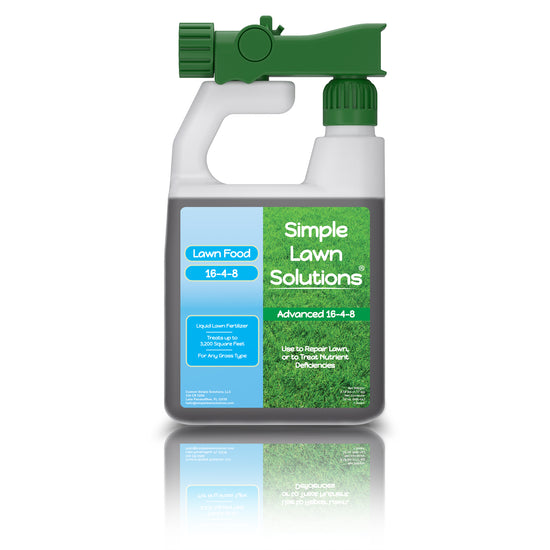
The best fertilizer for Zoysia grass is our 16-4-8 Lawn Food because it provides balanced nutrition while supporting steady growth during the active growing season. Most established Zoysia lawns benefit from NPK fertilizers.
-
Nitrogen (N) for green color, density, and growth
-
Potassium (K) for turf vigor and water absorption
-
Phosphorus (P) only if soil tests indicate a deficiency or when establishing new turf
Because Zoysia is a warm-season grass, it grows most actively during late spring and summer. Fertilizing during this period helps support thicker turf, improved color, and stronger root development. Many turfgrass specialists recommend Zoysiagrass fertilizers containing a portion of slow-release nitrogen to encourage more consistent growth and reduce excessive surge growth. Most established Zoysia lawns typically require approximately 1–3 pounds of nitrogen per 1,000 square feet per year, depending on a few factors like:
-
Zoysia cultivar
-
Soil conditions
-
Climate
-
Desired lawn appearance
-
Irrigation availability
A soil test is the best way to determine which nutrients your lawn may actually need before starting a fertilizer program.

When Should You Fertilize Zoysia Grass?
Timing is extremely important when fertilizing Zoysia lawns. Applying fertilizer too early in spring may encourage excessive early growth that is more vulnerable to late frost injury and spring diseases.
Best Time for Spring Zoysia Lawn Fertilizer
For most regions, spring lawn fertilizer should be applied only after Zoysia begins actively growing and reaches full green-up.
This typically occurs:
-
In late spring
-
After the final frost
-
When soil temperatures consistently reach approximately 65°F
Applying fertilizer before active growth begins may increase the risk of turf injury and inefficient nutrient use. Our 16-4-8 Lawn Food is a great option for spring feeding.
Summer Fertilization for Zoysia
Zoysia grass often benefits from additional feeding during summer when growth is strongest. However, excessive nitrogen applications can increase:
-
Thatch buildup
-
Disease pressure
-
Mowing requirements
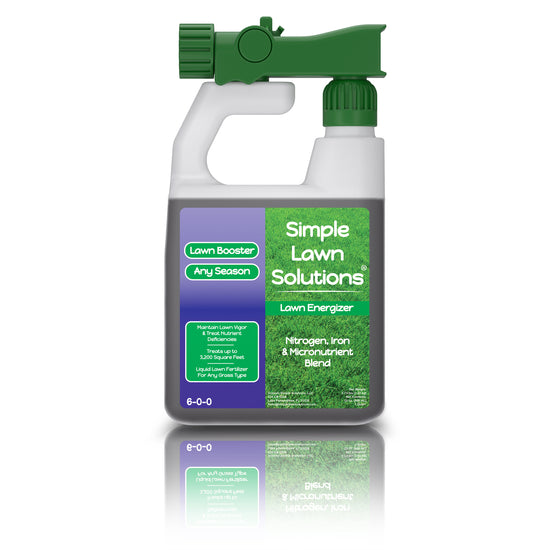
A lower Nitrogen fertilizer with micronutrients like our Lawn Energizer, is a great option in combination with Seaweed and Humic Acid soil amendments like our Sea Hume. Avoid fertilizing drought-stressed Zoysia lawns unless irrigation is available, as excessive nitrogen during stress conditions may increase turf injury.
Is Liquid Lawn Fertilizer Good for Zoysia Grass?
Liquid lawn fertilizer can work very well for Zoysia grass, especially for homeowners looking for quicker nutrient availability and faster visible turf response.
Benefits of Fertilizer for Zoysia
Liquid fertilizer may help:
-
Promote faster green-up
-
Deliver nutrients uniformly when applied properly
-
Support active growth periods
-
Simplify fertilizer applications
-
Improve application flexibility for spot treatments
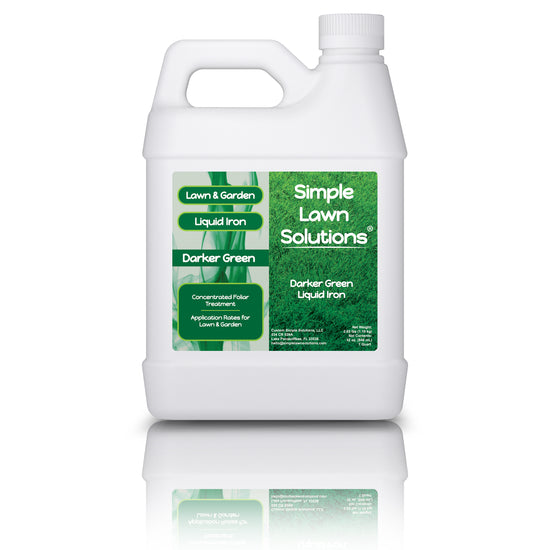
Some liquid fertilizers also contain iron, which may enhance green color without encouraging excessive leaf growth, like our Darker Green Liquid Iron Fertilizer. Many homeowners use spring liquid fertilizer during early active growth periods when they want quicker cosmetic improvement.
How do I Care for My Zoysiagrass in the Spring and Summer?
As winter turns to spring and spring to summer, remove thatch from your grass and let your lawn grow to approximately three inches before beginning regular mowing. The recommended length to maintain this grass is one and a half to two and a half inches long. However, you should never remove more than one-third of the total length to avoid shock and keep your lawn thick and healthy.
Keep the lawn a little bit longer during the summer months to reduce stress on the grass. Regularly watering your lawn is the most crucial step in maintaining lush, healthy grass. Aerating your lawn should also be performed to keep it looking its best. Lawn aeration is essential regardless of the species of grass and should be part of your yearly lawn care routine.
How do I Care for My Zoysiagrass in the Fall and Winter?
In colder weather, keep your grass shorter. Keep it around one to one and a half inches long. Before the grass starts to turn green again, mow with a bag or rake to dethatch and remove dead leaf material and buildup. Consider some pre-emergent herbicide control in early February to get a jump start on the weeds.
You should not attempt to plant zoysiagrass unless you are confident that your specific grow zone and climate are appropriate for this species of grass. There are several cons to consider. However, most of them are only an issue if you are trying to grow your zoysiagrass in an inappropriate climate. In the right location and with proper lawn care, zoysiagrass is an excellent choice for your home turfgrass. Its tolerance to both drought and foot traffic and its dense growth pattern combined with its lush green color makes it an ideal choice when you’re growing a new lawn. Your lawn is sure to be the envy of the neighborhood.
Tips for Thick, Green Zoysia Growth

Proper fertilization is only one part of maintaining healthy Zoysia turf.
-
Mow at the Proper Height
Most Zoysia lawns perform best when maintained between 1–2 inches, although some fine-textured cultivars tolerate lower mowing heights with reel mowing equipment. Never remove more than 30% of the leaf blade during a single mowing.
-
Water Deeply and Infrequently
Deep, infrequent irrigation encourages:
-
Stronger root systems
-
Improved drought tolerance
-
Better overall turf resilience
Generally, Zoysia should only need 1-2 inches of water per week, including rainfall.
-
Reduce Soil Compaction
Core aeration may improve:
-
Water movement
-
Oxygen exchange
-
Nutrient movement into the root zone
Why Aerate the Lawn?
If your soil feels hard, water is pooling on top, and parts of your lawn are starting to look thin, less green, or even brown, it’s time for lawn aeration. Without proper aeration, the soil can become hard and compacted. Grass draws its nutrients from the soil, and when the soil becomes compacted, it’s difficult for roots to grow, and harder for water to absorb into the soil. Healthy soil is the key to a healthy lawn.
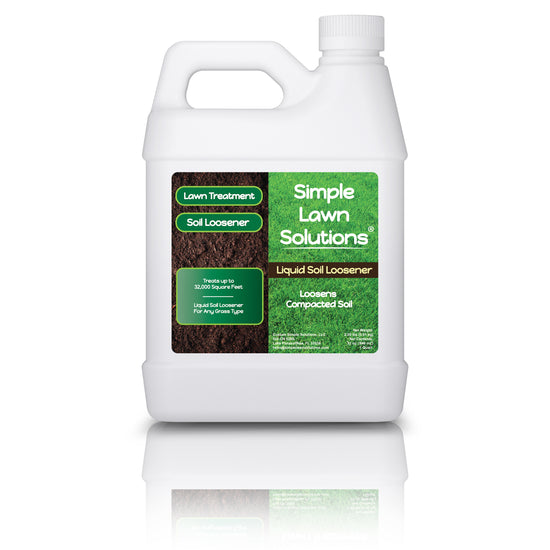
For best results, apply our Liquid Soil Loosener in combination with core aeration to help with downward movement of water and nutrients to roots.
-
Manage Thatch Accumulation
Because Zoysiagrass can develop significant thatch over time, periodic dethatching or core aeration may help improve:
-
Water infiltration
-
Nutrient movement
-
Oxygen availability
-
Root development
-
Follow a Consistent Zoysiagrass Fertilizer Schedule
Regular fertilization during active growth helps maintain:
-
Consistent color
-
Turf density
-
Recovery from stress
How to Grow a Thick, Green Zoysia Lawn
With the right mowing, watering, and fertilizing routine, Zoysiagrass can become one of the thickest, most durable, and most beautiful lawns in the neighborhood. But healthy, deep-green growth doesn’t happen by accident, it takes consistent nutrition and proper lawn care throughout the growing season.
If you want an easier way to give your Zoysia everything it needs for stronger roots, richer color, and healthier soil, check out the Green Goals Bundle from Simple Lawn Solutions. This all-in-one lawn care bundle combines powerful liquid nutrients and soil-enhancing ingredients designed to help support greener, healthier turf all season long. Whether you’re looking to improve spring green-up, boost summer color, or maintain overall lawn health, the Green Goals Bundle can help simplify your lawn care routine and keep your Zoysia looking its best.
FAQ Section
What is the best fertilizer for Zoysia grass?
The best fertilizer for Zoysia grass is a balanced NPK formula such as 16-4-8, applied after full green-up in late spring. Look for a fertilizer with slow-release nitrogen to prevent surge growth, and consider adding iron and micronutrients for deeper green color.
When should I apply spring fertilizer to Zoysia grass?
Apply spring fertilizer to Zoysia grass when soil temperatures consistently reach 65°F and the lawn has fully greened up, typically late spring after the last frost. Applying too early risks frost injury and disease.
How often should Zoysia grass be watered?
Established Zoysia grass typically needs about 1–2 inches of water per week, including rainfall. Deep, infrequent watering is best because it encourages stronger root growth and better drought tolerance.
Is liquid fertilizer good for Zoysia lawns?
Yes, liquid fertilizer can be very effective for Zoysia grass because nutrients are absorbed quickly and evenly. Many homeowners use Simple Lawn Solutions 16-4-8 lawn fertilizer to encourage faster green-up and simplify fertilizer applications.
Does Zoysia grass require a lot of maintenance?
Once established, Zoysia grass is considered relatively low maintenance compared to many other turf types. However, it still benefits from regular mowing, fertilization, watering, aeration, and occasional dethatching to stay healthy and attractive.
Why is my Zoysia grass turning brown?
Zoysia grass naturally turns brown during dormancy in cooler temperatures. However, brown patches during the growing season may indicate drought stress, nutrient deficiencies, compaction, or diseases like large patch fungus.
How short should I mow Zoysia grass?
Most Zoysia lawns perform best when maintained between 1–2.5 inches tall. During summer, slightly taller mowing heights can help reduce heat stress and improve drought resistance.