
The best fertilizer for fescue grass is typically one that provides balanced nutrients to support steady growth, strong roots, and healthy green color throughout the growing season.
Fescue is a cool-season grass, meaning it grows most actively during spring and fall when temperatures are milder. Because of this growth pattern, fertilization timing and nutrient balance are especially important for maintaining a healthy lawn.
Most fescue fertilizer products contain three primary nutrients:
-
Nitrogen (N) for green growth and density
-
Phosphorus (P) for root development
-
Potassium (K) for stress tolerance and overall lawn health
Tall fescue fertilizer programs often focus heavily on nitrogen because it helps encourage thick, green turf. However, too much nitrogen can create excessive growth and increase lawn maintenance needs.
A soil test is one of the best ways to determine exactly what nutrients your lawn needs before applying lawn fertilizer. Soil testing helps avoid overfertilization while improving long-term lawn health.
When Should You Fertilize Fescue Grass?
Timing is one of the most important factors when fertilizing fescue lawns. Because fescue is a cool-season grass, it responds best to fertilization during periods of active growth in spring and fall.

Best Time for Spring Lawn Fertilizer
Spring lawn fertilizer can help support green-up and recovery after winter dormancy. In most regions, spring grass fertilizer is applied:
-
Early to mid-spring
-
After the lawn begins actively growing
-
When soil temperatures consistently reach approximately 55°F and the lawn begins active growth
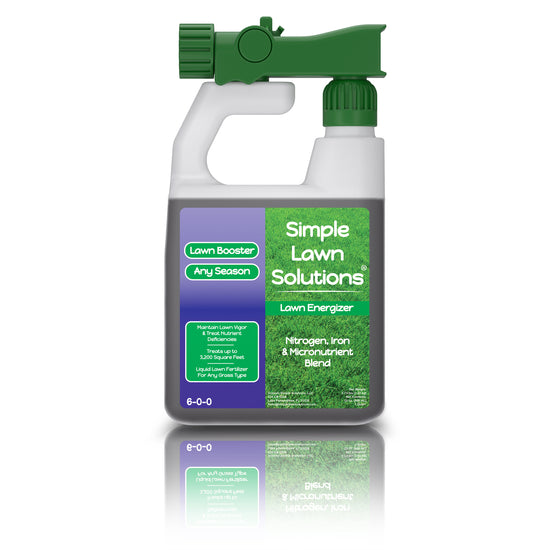
Spring fertilization should generally be moderate. Applying too much fertilizer in early spring can encourage excessive top growth and stress the lawn later during summer heat. Avoid heavy nitrogen applications during summer heat or drought stress, as this may increase disease pressure and turf injury. Nitrogen fertilizer with micronutrients like our Lawn Energizer, is a great option in combination with Seaweed and Humic Acid soil amendments like our Sea Hume.
Why Fall Fertilization Is Important for Fescue
For many cool-season lawns, fall fertilization is often considered more beneficial than heavy spring fertilization because it supports root growth and carbohydrate storage with less summer stress. Cooler temperatures and active root growth make fall ideal for:
-
Root development
-
Recovery from summer stress
-
Thickening turf
-
Preparing for winter dormancy
Many lawn care programs include both spring and fall fertilizer applications for best results.
Is Liquid Lawn Fertilizer Good for Fescue Grass?

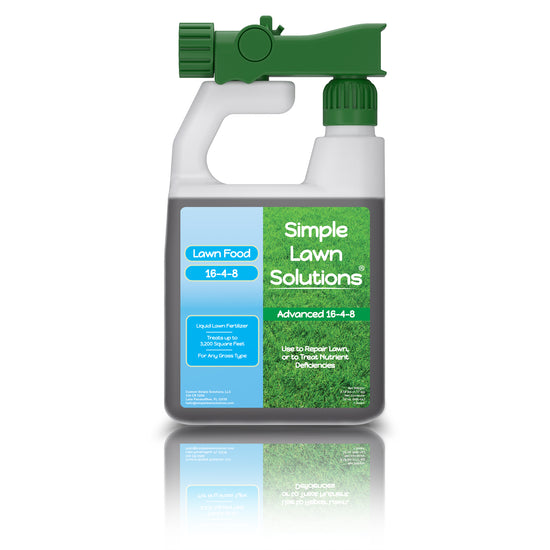
Liquid lawn fertilizer can work very well for fescue lawns, especially when homeowners want quicker nutrient availability and faster visible turf response. Our 16-4-8 Lawn Food is a great option for spring feeding.
Liquid fertilizer is commonly applied using:
-
Hose-end sprayers
-
Backpack sprayers
-
Pump sprayers
-
Professional spray systems
Benefits of Liquid Lawn Fertilizer
Liquid lawn fertilizer may help:
-
Promote faster green-up
-
Allow for more uniform applications when equipment is calibrated properly
-
Support active spring growth
-
Simplify fertilizer application
Spring liquid fertilizer is especially popular during early growing periods when homeowners want visible improvements in lawn color and growth.
Granular vs. Liquid Fertilizer for Fescue
Both liquid and granular lawn fertilizer can support healthy fescue growth.
Liquid Fertilizer
Best for:
-
Faster nutrient availability
-
Spot treatments
-
Frequent maintenance programs
Granular Fertilizer
Best for:
-
Slow-release feeding
-
Fewer applications
-
Longer-lasting nutrient delivery
The best fertilizer program often depends on your lawn care goals, budget, and maintenance schedule.
What Nutrients Does Tall Fescue Need Most?
Tall fescue lawns require balanced nutrition, but nitrogen is typically the nutrient most responsible for healthy green growth and turf density. Most established tall fescue lawns typically require approximately 2–4 pounds of nitrogen per 1,000 square feet annually depending on climate, irrigation, soil conditions, and desired lawn quality.
Nitrogen for Thick Green Growth
Nitrogen supports:
-
Rich green color
-
Blade growth
-
Lawn density
-
Recovery from stress
However, excessive nitrogen can increase mowing frequency and may contribute to disease issues during warm weather. If you’re looking for a Nitrogen fertilizer check out our selection of nitrogen liquids here.
Potassium Fertilizer for Lawn Health
A lawn deficient in Potassium may struggle with:
-
Heat tolerance
-
Drought resistance
-
Wear tolerance
-
Stress recovery
Our High Potassium Fertilizer 0-0-25 Lawn Food is best to be applied before the heat of summer sets in or prior to the winter freeze.
Phosphorus Fertilizer and Root Development
Phosphorus supports root growth and establishment, particularly in newly seeded lawns. However, established lawns may not require additional phosphorus unless soil tests indicate a deficiency. If you’re looking to establish new grass or encourage vertical and lateral growth, check out our Growth Booster 6-18-0 lawn fertilizer.
Some fertilizers also include micronutrients like iron or magnesium to improve turf color and overall lawn appearance.
How Often Should You Fertilize a Fescue Lawn?
Most fescue lawns benefit from fertilization multiple times per year, particularly during spring and fall growing periods.
A typical annual fertilization schedule may include:
-
Early spring application
-
Late spring or early summer feeding
-
Fall fertilization
-
Late fall winterizing application
The exact number of applications depends on:
-
Soil quality
-
Lawn condition
-
Climate
-
Fertilizer type
-
Lawn care goals
Slow-release fertilizers often require fewer applications, while liquid lawn fertilizer programs may involve more frequent feedings at lower application rates.
Avoiding Overfertilization
Applying too much fertilizer can create problems including:
-
Excessive growth
-
Increased mowing
-
Disease risk
-
Fertilizer burn
Always follow product label instructions and avoid applying more nitrogen than recommended.
Can You Overfertilize Fescue Grass?
Yes. Overfertilizing fescue grass can damage the lawn and create unnecessary maintenance challenges.
Common signs of overfertilization include:
-
Brown or yellow patches
-
Rapid excessive growth
-
Thatch buildup
-
Increased disease pressure
-
Burned grass blades
How to Avoid Fertilizer Burn
To reduce the risk of fertilizer burn:
-
Apply fertilizer evenly
-
Avoid overlapping applications
-
Follow recommended application rates
-
Water appropriately if directed
-
Avoid fertilizing during extreme heat
Liquid and granular fertilizers can both cause burn if overapplied.
Healthy fescue lawns generally perform best with consistent, moderate fertilization rather than excessive feeding.
3 Tips for Maintaining a Healthy Green Fescue Lawn
Fertilizer is only one part of maintaining healthy fescue grass. Proper lawn care practices help maximize the effectiveness of your fertilizer program.

1. Proper Watering Practices
Tall fescue typically benefits from:
-
Deep, infrequent watering
-
Approximately 1–1.5 inches of water per week
-
Watering early in the morning
Deep watering encourages stronger root systems and improves drought tolerance. Tall fescue lawns typically require approximately 1–1.5 inches of total water per week from rainfall and irrigation combined.
2. Mowing Tips for Tall Fescue
Most tall fescue lawns perform best when maintained at:
-
3–4 inches tall
Mowing too short can stress the lawn and increase weed pressure.
3. Additional Lawn Care Tips
Healthy fescue lawns also benefit from:
-
Aeration to reduce soil compaction
-
Overseeding thin areas
-
Weed control
-
Seasonal maintenance programs
Combining proper lawn care practices with the right fertilizer schedule helps support long-term lawn health and appearance.
Final Thoughts on Choosing the Best Fescue Fertilizer
The best fertilizer for fescue grass depends on your lawn’s specific needs, soil conditions, and seasonal growth patterns. Both liquid lawn fertilizer and granular fertilizer can support healthy growth when applied properly.
For many homeowners, the key to maintaining a healthy green fescue lawn includes:
-
Proper fertilization timing
-
Balanced nutrients
-
Moderate nitrogen applications
-
Consistent watering and mowing
-
Seasonal lawn maintenance
With the right lawn care routine, tall fescue can develop into a dense, durable lawn that stays healthy and attractive throughout the growing season.
FAQ Section
What’s the best fertilizer for fescue grass?
The best fertilizer for fescue grass typically contains balanced nutrients with nitrogen to support healthy green growth during active growing seasons.
When should you fertilize tall fescue lawns?
Tall fescue lawns are commonly fertilized during spring and fall when cool-season grasses grow most actively.
Is liquid lawn fertilizer good for fescue grass?
Yes. Liquid lawn fertilizer can provide quick nutrient availability and even coverage for fescue lawns.
How often should you fertilize fescue?
Most fescue lawns benefit from fertilization multiple times per year, especially during spring and fall.
What is the best spring lawn fertilizer for tall fescue?
The best spring lawn fertilizer for tall fescue is one that supports moderate green growth without encouraging excessive top growth before summer heat.