
Understanding the best climate and timing for fertilizing warm-season and cool-season grasses is crucial because temperature and grass growing periods directly affect how well grass fertilizer works. In this guide, we will look at the best and worst times to fertilize your grass, and how various factors impact if you should or should not apply lawn fertilizer.
Factors that Impact the Best Time to Fertilize
Grass Type
Cool-season and warm-season grasses have different growth habits, mowing heights, fertility needs, and watering schedules. Typically, cool-season grasses are actively growing in the spring and fall, going dormant in the summer and winter due to extreme heat and cold. Warm-season grasses favor late spring and summer, going dormant in late fall and winter.
Cool-season Grasses
If you live in the northern half of the United States, then you most likely have cool-season grass. Cool-season grasses thrive in temperate to cooler climates where average temperatures range between 60–75°F (15–24°C). They grow most actively in spring and fall, when temperatures are mild and moisture is consistent.
Warm-season Grasses
Warm-season grasses include Bermudagrass, Bahiagrass, Centipedegrass, Saint Augustinegrass, and Zoysiagrass. These grass types typically grow best in the southern parts of the United States. Warm-season grasses thrive in hot, sunny climates and grow most actively when soil temperatures are above 65°F (18°C) and air temperatures are between 75–95°F (24–35°C).
Grass Health
Before fertilizing, take inventory of your grass. Is it struggling from any ailments like drought stress, pests, weeds, or fungus? You’ll want to address these issues before fertilizing. Fertilizing a lawn that is struggling from any of these ailments can make matters worse and will not help your lawn in the long run. Fertilizing a lawn with weeds may help the weeds more than it helps the grass, leading to an even more severe infestation.
Weather
The daily and weekly weather forecasts are important to consider. Avoid fertilizing if there are storms forecasted. Ensure air and soil temperatures are appropriate for your grass type before applying liquid lawn fertilizer.

The Best Time to Fertilize Cool-season Grass
For cool-season grass, the best time to fertilize is during the following months:
Early Spring (March–April):
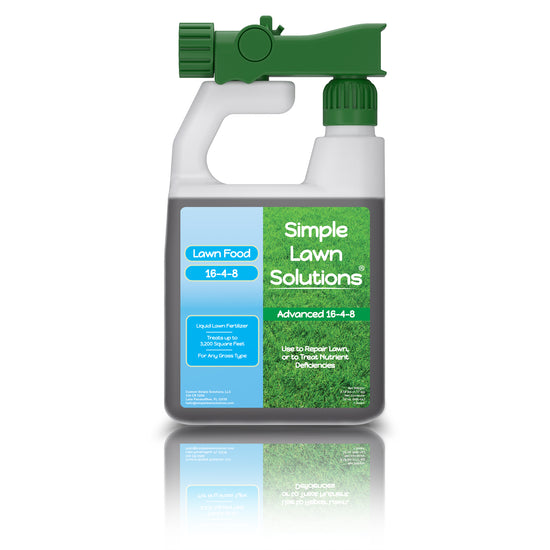
Apply a light, balanced fertilizer, like 16-4-8 lawn food, to help the lawn recover from winter dormancy and jumpstart growth.
Early Fall (September–October):
This is the most important feeding of the year — the lawn is actively growing, temperatures are ideal, and roots are developing before winter. Apply a balanced NPK fertilizer and micro nutrient fertilizer to capitalize on the active growth and deepen the green of your lawn.
Late Fall (November in mild climates):
A winterizer fertilizer high in potassium helps strengthen roots for the cold months ahead. Our 0-0-25 High Potassium fertilizer is a great choice.
The Worst Time to Fertilize Cool-season Grass
The worst time to fertilize cool-season grasses is:
Mid-Summer: In mid-summer heat (above 80°F / 27°C), grass growth slows, and fertilizer can burn the lawn or promote disease.
On frozen or drought-stressed soil.

The Best Time to Fertilize Warm-season Grass
For warm-season grass, the best time to fertilize is during the following months:
Late Spring to Early Summer:
This is the best time to fertilize warm-season lawns. Fertilizing too early (while still dormant) can waste nutrients or encourage disease. You’ll notice warm-season grass coming out of winter dormancy when it begins to green up. Apply 16-4-8 or 28-0-0 High Nitrogen lawn fertilizer to give your lawn a kickstart.
Mid to Late Summer:
Summer is the peak growing season for warm-season grasses. Apply a second feeding to maintain color and density during the growing peak.
Early Fall (optional):
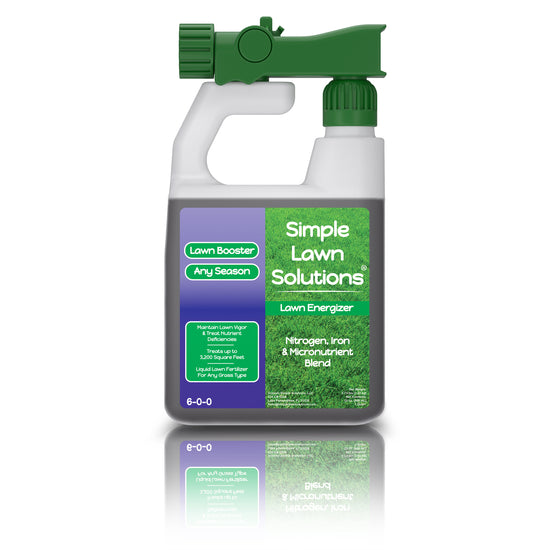
In mild southern climates where grass stays green longer, a light, slow-release application helps strengthen roots before winter. You can apply a lower nitrogen fertilizer like Lawn Energizer, and a high potassium formula like 0-0-25 lawn fertilizer to prep the lawn for winter dormancy.
The Worst Time to Fertilize Warm-season Grass
The worst time to fertilize warm-season grasses is:
Early Spring: During early spring greenup, if nighttime temperatures are still cool (below 60°F).
Summer Droughts: During droughts or heat waves, fertilizer can stress grass when it’s already under heat pressure.
Late Fall/Winter: During this time, warm-season grass in most locations are dormant and will not use any nutrients applied to it.

The Best Time of Day to Fertilize
Did you know there is a preferred time of day to fertilize? Fertilizing your lawn should occur sometime before 10 am or after 3 pm. This is because the sun is strongest in the middle of the day, which means that evaporation can work faster.
If you plan on mowing, it’s recommended to wait a day or two after fertilizing to mow.
You should also plan your fertilization around the weather, and try to avoid fertilizing before rainstorms, which can wash the product off your lawn and into waterways. If there’s light rain in the forecast, you can still apply.