
Plant deficiencies are common in both indoor houseplants and lawns. Nutrients are considered deficient when there is an inadequate supply within the plant or the soil. To accurately diagnose the deficiency of one or more nutrients, a soil test must be conducted. However, there are visible signs within the leaf tissue of the plant that can indicate what nutrients might be deficient prior to a soil test being performed.
What Impacts Nutrient Availability for Plants?
A nutrient deficiency is a condition that occurs when a plant does not have or receive enough essential nutrients required for growth and to complete its life cycle. Nutrients such as nitrogen, phosphorus, potassium, and iron can be deficient within the soil, causing both indoor and outdoor plants to exhibit signs of deficiency.

Soil Types and Why They Matter for Your Plants and Garden
The type and texture of the soil play a vital role in determining whether a plant experiences nutrient deficiencies or not. Clay and organic soils have a higher CEC (cation exchange capacity), which is responsible for holding more nutrients in the root zone. Sandy soils drain quickly and tend to have nutrients leach through the root zone, creating nutrient deficiencies for both the soil and the plant.
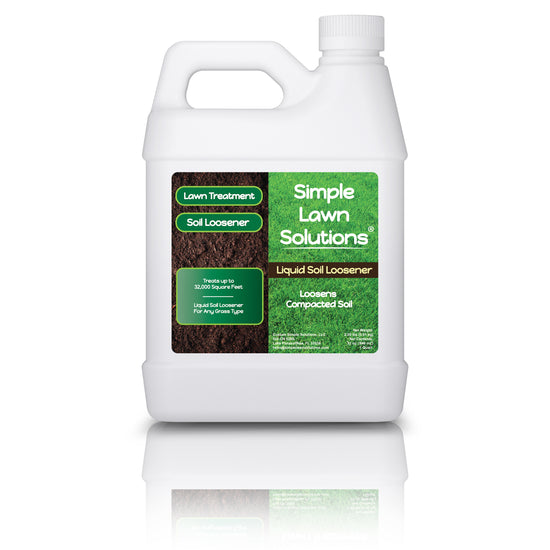
Water is essential for dissolving nutrients, allowing them to be absorbed by the plant's roots. When the soil is devoid of water or dry, the nutrients can’t dissolve or move into the soil. If soils are too wet, oxygen levels are reduced, which slows root growth and nutrient recycling. The lack of organic matter within the soil reduces the nutrient-holding capacity, causing nutrients to be depleted and leading to a nutrient deficiency condition. Soil compaction also reduces oxygen's ability to penetrate the root zone adequately and can cause nutrient deficiencies.
The Importance of Soil pH
Soil pH affects plant nutrient availability because it changes the chemical forms, solubility, and interactions of nutrients in the soil. These interactions make the nutrients unavailable, even if there is an ample supply in the soil. Soil pH affects how the nutrients are dissolved in water. When nutrients are not totally dissolved, the plants cannot uptake them in the purest form.
Soil pH that is less than 7 is acidic. When soils are acidic, micronutrients like iron and manganese become soluble and can sometimes become toxic. Phosphorus will bind with iron and aluminum to form insoluble compounds, making them unavailable to plants. When soil pH is above 7, it becomes alkaline. Micronutrients such as iron, zinc, and copper are less soluble and less available, which leads to nutrient deficiencies. Again, although the nutrient levels within the soil are abundant, the high or low pH levels make them unavailable for plant uptake.
Phosphorus is most available when the soil pH is close to neutral, 7.0. In acidic soils, phosphorus binds with iron and aluminum, making it insoluble and unavailable to plants. This condition is called “phosphorus lockout”. Iron becomes unavailable when the soil pH is too high, resulting in iron chlorosis. This occurs because roots can’t absorb enough iron, and yellowing between leaf veins appears. Soil pH influences nutrient availability if it is too acidic or too alkaline. Both conditions lock up nutrients, leading to deficiency symptoms even when the nutrients are present in the soil.
Environmental Conditions as a Factor for Growing Plants
Insufficient moisture levels can have a significant effect on nutrient deficiencies in plants and grass. When there are adequate moisture levels, the nutrients dissolve into a soil solution that surrounds soil particles. If the soil is too dry, the process cannot take place for several reasons. When soil moisture levels are low, nutrients remain in solid form and cannot dissolve. Therefore, roots cannot absorb them to feed the plant. Soil microbes play a crucial role in nutrient cycling within the root zone. When there is dry soil, it also reduces microbial activity, which breaks down organic matter and converts it into soil nutrients. This means nutrients become less available, even if there is an abundant supply source in the soil.
Light quality is crucial for plants. Plants use light as an energy source for photosynthesis to occur, which produces the energy needed for absorption and assimilation in the roots. If light quality is lacking in certain types of light wavelengths, photosynthesis is less efficient, and less energy is available for nutrient uptake. This condition can make it seem that a nutrient deficiency is present. Research indicates that altering light quality can impact nutrient absorption in houseplants and lawns.
Temperature plays a significant role in nutrient availability. When temperatures fall outside a plant’s optimal range, it can lead to nutrient deficiencies. High temperatures occur mainly during the summer months. During the high-temperature time frame, plant roots can be damaged, and growth is reduced or halted. With reduced root depth and development, all of the nutrients in the soil can’t be absorbed. Cold temperatures that fall outside the optimum temperature range slow the metabolic rates of the plant and reduce nutrient uptake. Too cold or too hot temperatures slow the nutrient absorption, and symptoms such as chlorosis or stunted growth become evident.
Humidity doesn’t change soil nutrient levels, but it does alter water movement within the plant, which affects how nutrients are transported within the plant itself. High humidity reduces the plant's transpiration. When transpiration is slow, less water moves up through the plant, and nutrients like calcium and potassium travel less effectively; signs of deficiency begin to appear.
Nutrient Solubility
Nutrient solubility is the process of how nutrients are dissolved in soil water. The nutrients then become available to the plant and the plant roots once the process has been completed. Plants can only absorb nutrients that have been dissolved in water. Insoluble nutrients cannot enter roots to support growth. Therefore, nutrient solubility is the most crucial process that enables plants to grow successfully.
What are the Symptoms of Nutrient Deficiency in Plants?
How to Identify Nitrogen Deficiency in Plants
Nitrogen deficiency can be identified by the visible symptoms and signs it exhibits. The most common signs begin early in the absence of nitrogen. Yellowing of the older leaves (chlorosis) begins to appear as the leaves turn from a pale green to a yellowish hue. This starts at leaf tips or along margins and spreads inward to the center of the leaf surface. Plants with a nitrogen deficiency grow more slowly and remain smaller than healthier plants. The overall plant begins to appear weak and unhealthy, with stems becoming thin and exhibiting delayed growth.
In more severe nitrogen deficiency, the entire plant takes on a pale green or yellowish-green hue, affecting both younger and older leaves. Older leaves will start to drop earlier than usual, which reduces photosynthesis.
How to Identify Phosphorus Deficiency in Plants
Phosphorus is responsible for many plant functions and the metabolic process. Root and shoot development, energy transfer, flowering, and cell division cannot occur without the presence of phosphorus. When plants lack phosphorus, they grow more slowly and fail to reach their full size potential. One of the first signs or symptoms of phosphorus deficiency is that the green foliage of the leaves may turn to a purple or reddish tint on the older leaves. The purple color often appears along the veins and underside of the leaf when phosphorus is limited.
These symptoms typically appear first in older leaves. Plants that are deficient in phosphorus have smaller, shorter, and underdeveloped roots, which reduces their ability to absorb water and other essential nutrients. Flowering, fruit, and seed development can be delayed due to reduced phosphorus absorption. Lastly, leaf growth may start to curl downward and wilt despite the presence of water.
How to Identify Potassium Deficiency in Plants
Potassium helps regulate water balance, enzyme activation, and photosynthesis, as well as increase the strength of stems and roots. When potassium is deficient, these key processes are disrupted, leading to visual symptoms in the leaf appearance. One of the earliest and most common signs is yellowing, followed by brown scorching along the leaf edges and tips. Leaf curling or rolling begins to occur as water regulation fails due to a lack of potassium.
Some plants will display yellowing between the veins of the leaf on older leaves before browning starts. Stunted growth and reduced flowering will also occur in plants that are deficient in potassium.
Micro Nutrient Deficiency in Plants
Identifying micronutrient deficiencies in plants can be accomplished by observing the symptoms of the leaves and the growth patterns of the plant. Micronutrients are required in small amounts (trace elements) for plant growth and function. When micronutrients are deficient, plants show distinct signs in new development. Iron deficiency displays yellowing between leaf veins on young leaf tissue, while the veins stay greener. Severe iron deficiency can cause the entire plant to turn white and then brown as the tissue dies.
Manganese deficiency causes chlorosis (yellowing of leaf tissue) on young leaves, often resulting in grey or black necrotic spots. Zinc deficiency causes yellowing between veins, often results in shortened internodes, and is associated with reduced leaf size. Boron deficiency causes death on the leaf tips and sometimes causes hollow stems. Copper deficiency causes a pale or chlorotic appearance on newer leaf tissue. Symptoms also include growth distortion and dieback on younger tissue. Molybdenum deficiency can resemble nitrogen deficiency, but also provides leaf cupping or rolling in young leaves. This type of deficiency is rare in plants and lawns.

The Best Way to Diagnose Nutrient Deficiency: Why Soil Testing is Important
Soil tests are the only way to confirm if a plant has a nutrient deficiency. Additionally, it is also the only way to determine the soil pH and the overabundance of other nutrients that affect plant growth and health. The best and most knowledgeable plant botanists conduct soil tests before planting and during development to ensure a natural growth process. A soil test measures the plant-available portion of each essential nutrient. Not all nutrients in the soil are in forms that the roots can absorb. Soil testing provides a nutrient availability index that correlates with the amount of nutrients the soil can supply during the growing season. Without this information, applying fertilizers can lead to over- or under-fertilization.
How to Fix Nutrient Deficiency in Plants?
Once a nutrient deficiency has been determined, the nutrient can be applied with expected positive results. Remembering that the optimal soil pH range is between 6.0 and 7.0 for most plants, it is crucial to correct the pH that falls outside this range.

Fixing Nitrogen Deficiency in Plants
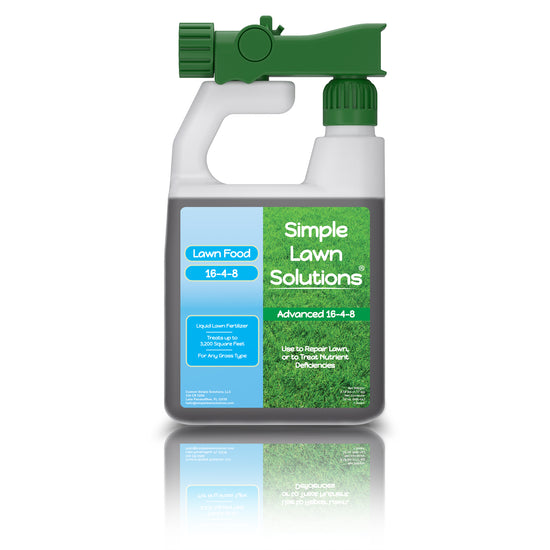
Nitrogen deficiencies can be corrected by applying urea, ammonium nitrate, or composted organic matter to increase the availability of soluble nitrogen that is readily absorbed by the plant's roots.
Fixing Phosphorus Deficiency in Plants
Phosphorus deficiencies can be corrected by applying fertilizers that contain phosphate, such as triple superphosphate, or an organic source, like bone meal. The materials need to enter the root zone because they generally move slowly to complete the process.
Fixing Potassium Deficiency in Plants
Correcting a potassium deficiency in plants is accomplished by adding potash fertilizers that contain potassium sulfate or potassium chloride.
Fixing Micro Nutrient Deficiency in Plants
Micronutrient deficiency requires a little more information to determine which micronutrient is deficient. Soil tests are crucial in determining the exact micronutrients necessary, as they provide detailed information on the specific elements required. Confirming the soil pH is within the optimum range of 6.0-7.0 is the next step, as stated on every soil test.
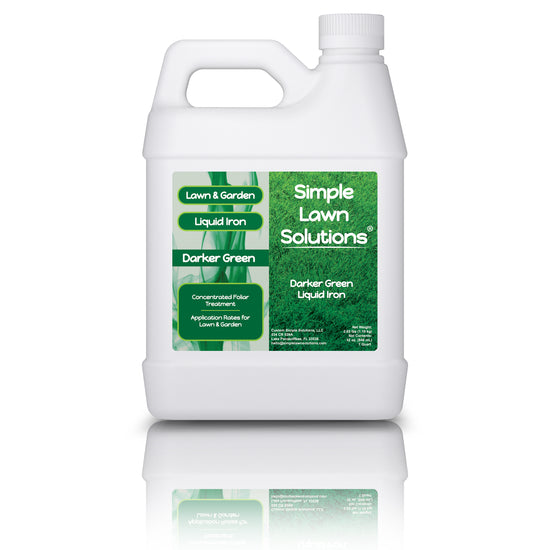
The soil pH has a strong influence on the solubility of micronutrients, and consequently, on whether the element is available for absorption. Once it has been determined which micronutrients are deficient, corrective actions can be taken. Apply a fertilizer that contains zinc sulfate if a zinc deficiency is resolved. Iron deficiencies require applications of iron chelates, which are available more rapidly. One of the most effective ways to apply is through foliar feeding. The nutrients remain on the leaf surface and are then absorbed over time. Results are visible in a short amount of time when performing foliar feedings.
The Importance of Plant Fertilizer
Throughout a plant's life cycle, it requires nutrients to sustain normal growth and biological processes. The soil contains all the nutrients that are necessary for sustained and continued growth naturally. However, these nutrients are not available due to factors such as soil type, depletion, soil pH imbalance, and environmental stresses, including reduced light, temperature fluctuations, and humidity. Sustaining and promoting growth in plants most of the times require a maintenance fertilization program to replace what has been lost in the soil.

Soil testing is a reliable method for confirming the type of fertilizer and its contents needed to support plant life. Several visual symptoms become evident when nutrients are deficient. The color of the leaf tissue and growth patterns in specific locations can provide a good indication of the exact nutrient that is deficient or locked up in the soil. Often, there are sufficient nutrients in the soil.
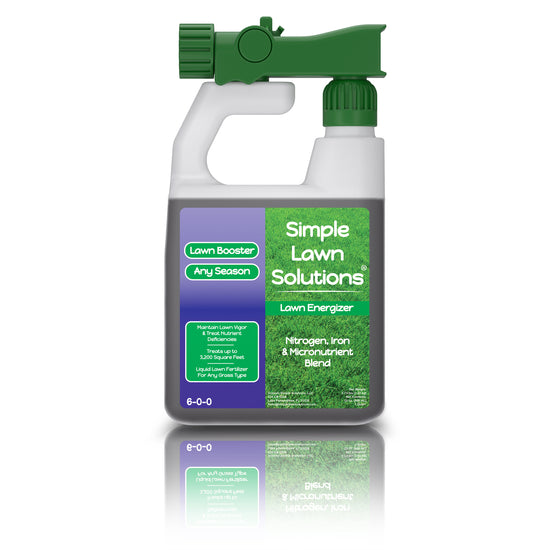
Still, they remain unavailable because they have not become soluble and are therefore inaccessible to the root system and leaf tissue of the plant. Using balanced plant fertilizers as well as specialty fertilizers that contain micronutrients will allow plants to grow longer. It is essential to remember that neither too little nor too much is the goal for success. It is simply supplying the nutrients that what they plant needs to be its healthiest.
References:
https://www.rhs.org.uk/ Royal Horticultural Society
https://www.eristates.org/ Environmental Research Institute
https://extension.wvu.edu/ West Virginia University Extention
https://www.internationalscholarsjournals.org/ International Scholars Journal
https://www.horticulture.red/en/ Horticulture Red
https://ipm.ucanr.edu/#gsc.tab=0 UC Davis
https://edis.ifas.ufl.edu/publication/PP166 University of Florida, Plant deficiency symptoms