
Many homeowners start wondering when their lawn will green up as winter fades and temperatures begin to warm. While it may seem like grass should start growing as soon as the weather improves, the real driver behind spring green-up is soil temperature. Understanding what triggers green-up can help you time your spring lawn fertilizer plan correctly and encourage healthier growth.
When do Lawns Typically Green Up?
Did you know that your grass type will be a big factor in when your lawn greens up in spring? Cool-season lawns will green-up in cooler soil temperatures than warm-season and you’ll see your cool-season lawn begin to green up when soil temperatures hit 45–50°F, and strong active growth flourishes at 55–65°F.
Warm-season grasses will begin to green up once soil temperatures hit 60–65°F, and active growth kicks in when soil temperatures rise to 65–70°F.

What are the Cool and Warm-season Grasses?
The Cool-season grass types include:
-
Fescues (Tall, Fine)
-
Kentucky Bluegrass
-
Perennial Ryegrass
The Warm-season grass types include:
-
Bermudagrass
-
Saint Augustinegrass
-
Bahiagrass
-
Zoysiagrass
What Triggers Spring Green Up in Lawns?
There are a few factors that encourage green up in your lawn in spring, and in most areas of the United States, green up occurs in April. It’s important to note that when a lawn begins to green up, this signifies new grass growth, not old grass blades turning green.
Other than temperature and grass type, the amount of sunlight and moisture can impact how quickly you see green grass in the spring.
Key Factors Affecting Spring Green-Up:
-
Soil Temperature (Primary Driver): Soil temperature at the 2-inch depth is the most critical factor controlling spring green-up. Air temperature fluctuates rapidly, but turfgrass roots respond to soil temperature. Brief warm spells do not trigger sustained growth if soil temperatures drop back down.
-
Cool-season grasses (Kentucky bluegrass, perennial ryegrass, tall fescue) begin active root and shoot growth when soil temperatures consistently reach 50–55°F. Optimal shoot growth generally occurs between 60–75°F.
-
Warm-season grasses (bermudagrass, zoysiagrass, centipedegrass) typically begin green-up when soil temperatures are consistently 60–65°F, with active growth occurring between 75–95°F.
-
Grass Type and Location: Grass type physiology strongly influences timing.
-
Cool-season grasses initiate growth earlier (often March–April in the transition and northern zones) because they are adapted to cooler soil temperatures.
-
Warm-season grasses remain dormant until soils warm sufficiently, often greening up several weeks later than cool-season turf in the same region.
-
Location and Climate: Geographic region determines when soil temperatures reach growth thresholds.
-
Midwest and Northeast - green-up commonly occurs in mid-April, though southern portions of these regions may see earlier activity. Late frosts after initial green-up can temporarily slow or injure new growth.
-
Transition Zone - timing can vary widely depending on spring temperature fluctuations.
-
Southern Climates - warm-season grasses may begin green-up as early as March.
-
Sunlight and Moisture: Moist soils warm more slowly than dry soils because water has a high heat capacity. Excessively wet soils in early spring can delay green-up by:
-
Slowing soil temperature increase
-
Reducing soil oxygen levels
-
Limiting root respiration
-
Shade: Shaded areas warm more slowly due to reduced solar radiation. This is particularly noticeable on north-facing slopes and heavily shaded lawns. As a result:
-
Soil temperatures remain lower longer
-
Photosynthetic capacity is reduced
-
Green-up is delayed compared to full-sun areas

How to Measure Soil Temperatures in My Yard
Many homeowners rely on air temperature or the calendar. Before you fertilize or apply any products, it is best to understand what your soil temperatures are, as soil temperatures need longer favorable temperatures before they change.
To measure soil temperature, you can use a probe-style soil thermometer.
Best Practices:
-
Insert the probe to 2-inch depth (rootzone depth for turfgrass).
-
Measure in multiple lawn areas (sunny and shaded).
-
Take readings mid-morning (9–11 AM) for consistency.
-
Track daily readings for several days.
-
Look for sustained temperature trends, not single-day spikes.
Many universities and state extension services provide soil temperature tracking tools, which are helpful for timing pre-emergent herbicide applications (~55°F for crabgrass germination) and predicting green-up windows. However, local microclimates can differ significantly from regional averages.
What If My Lawn Is Not Greening Up?
There are various reasons that you may not see your lawn green up as fast as your neighbors.
Some common causes of delayed green up include:
1. Soil Temperatures Are Still Too Low: The most common reason. Air temperatures may feel warm, but soils warm slowly, especially after cold winters. Heavy clay soils and saturated soils warm more slowly than well-drained soils.
2. Excess Soil Moisture: Waterlogged soils take longer to warm, limit oxygen availability, restrict root respiration, and slow carbohydrate mobilization. You may notice symptoms presenting as pale or uneven green-up, soft or spongy turf, and standing water after rainfall.
3. Winter Injury: Common in warm-season turf and in cool-season turf following extreme winters.
4. Snow Mold or Early Spring Disease: Cool-season turf may appear matted, bleached, or patchy. You may notice circular patches, matted leaf tissue, and gray or pink fungal growth (early stages). However, most turf recovers as temperatures rise and mowing resumes. Learn more about snow mold here.
5. Shade and Microclimates: North-facing slopes, shaded areas, and compacted zones can lag 1–3 weeks behind sunny areas. It’s important to note that green-up is rarely uniform across an entire lawn.
6. Nutrient Deficiency: If soil temperatures are adequate but turf is pale, you may be dealing with a nutrient deficiency. The best way to determine is to conduct a soil test. Nitrogen deficiency is the most common cause, but it’s important to avoid heavy nitrogen applications if growth has not fully initiated.

How to Speed Up Spring Green-up in my Lawn?
Attempting to force growth before environmental conditions are favorable can reduce turf quality later in the season. But there are some measures that you can take to help the lawn transition from winter to spring.
1. Optimize Fall Grass Care
Spring lawn quality is often determined by the previous fall season. Healthy crowns and rhizomes with sufficient carbohydrate reserves initiate spring growth more rapidly. Here are some ways you should be optimizing your fall grass care for a stronger spring start:
-
Avoid excessive late-season nitrogen on cool-season turf.
-
Do not scalp warm-season grasses going into winter.
-
Apply a winterizing fertilizer in the early fall for warm-season, and mid-fall for cool-season.
-
Maintain recommended mowing heights through fall.
-
Control fall diseases (e.g., leaf spot, brown patch).
2. Improve/Maintain Soil Drainage
Cold, saturated soils warm slowly and limit root respiration, while better soil oxygen and drainage promote quicker root activation. Healthy, deep roots are essential for turf to absorb nutrients, weather drought, and sustain during environmental stressors. Here’s what you can do to maintain soil drainage
-
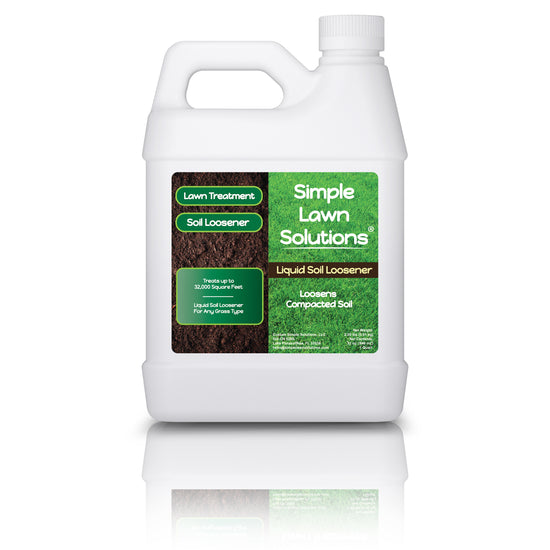
Core aerate in fall or early spring (when appropriate for species). A Soil Loosener can be applied in combination with core aeration.
-
Improve surface drainage and address any areas where water pools.
-
Avoid foot traffic on saturated soils.
3. Manage Thatch and Surface Organic Matter
Excess thatch insulates the soil, slowing warming. Thatch is a layer of living and dead organic material that accumulates between the green vegetation and the soil surface. Thatch develops when there is an imbalance between organic matter production and microbial breakdown. Moderate thatch levels are beneficial, but excessive layers delay soil warming. Here are some ways to prevent excess thatch in your lawn:
-
Dethatch or verticut warm-season turf during active growth (not during dormancy).
-
Maintain proper mowing and nitrogen programs to prevent excessive thatch buildup.
4. Encourage Soil Warming
The sooner your lawn and soil are exposed to sunlight, the sooner conditions favor spring green-up. This is highly dependent on your location, but there are some things you may be able to do to increase solar exposure.
-
Prune trees to reduce heavy shade.
-
Remove winter debris as soon as possible (sticks, fallen leaves, etc)
5. Spring Green Up Fertilizer Management (Species-Specific)
It’s important to fertilize your lawn at the right time in spring. Premature nitrogen fertilization can stimulate top growth too early, which increases frost risk.
-
Cool-Season Grasses
-
Avoid heavy early-spring nitrogen before active growth begins, and do not apply until soil temperatures are 55–65°F.
-
Light, slow-release nitrogen fertilizer after green-up can improve color and density.
-
Warm-Season Grasses
-
Do not apply nitrogen until 50–75% green-up.
6. Applying Liquid Iron Lawn Fertilizer for Greening
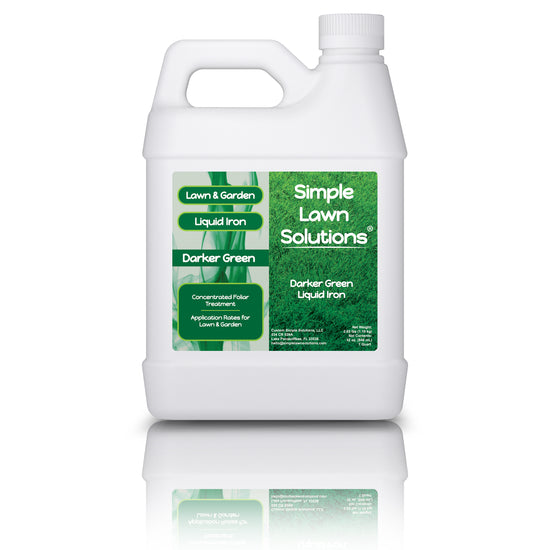
Iron fertilizer applications can enhance green color without stimulating excessive growth. This can provide improved aesthetic green-up while minimizing surge growth. If you're looking for a liquid iron fertilizer for quick greening, check out our Darker Green Liquid Iron.
7. Proper Mowing Practices
It is always recommended to follow the one-thirds rule of mowing and remove only 1/3 of the leaf blade at a time. Avoid scalping cool-season turf in early spring.
For warm-season grasses, a properly timed spring scalp (after frost risk decreases and just before green-up) can accelerate uniform green-up by removing dormant tissue and increasing soil warming.

Spring Lawn Fertilization Plans for Cool-season and Warm-season Lawns
Check out our cool-season lawn plan here.
Check out our warm-season lawn plan here.
Important Takeaway:
It is crucial to understand, making management decisions based on soil temperature rather than calendar date leads to more consistent results. Attempting to force early green-up by applying high nitrogen fertilizers, growth stimulants, and excessive watering of the lawn can lead to shallow rooting, reduced summer stress tolerance, and disease pressures.
A balanced approach produces turf that not only greens up well, but also performs better through summer stress.
Frequently Asked Questions
When will my lawn green up in spring?
Most lawns begin to green up when soil temperatures consistently reach growth thresholds. Cool-season grasses typically green up when soil temperatures hit 45–55°F, while warm-season grasses require 60–65°F soil temperatures. In many regions, this occurs between March and April, but timing depends more on soil temperature than calendar date.
When do lawns green up in different regions?
Lawn green-up timing depends on location and grass type:
-
Southern states: Warm-season lawns may green up as early as March.
-
Transition zone: Green-up varies widely depending on spring weather.
-
Midwest & Northeast: Cool-season lawns typically green up in April.
Tracking soil temperature at a 2-inch depth gives the most accurate prediction of when lawns green up.
What triggers spring green up in lawns?
The primary trigger for spring green-up is soil temperature, not air temperature. Turfgrass roots begin active growth once soil temperatures remain consistently warm. Other contributing factors include:
-
Increased sunlight
-
Adequate soil moisture
-
Grass type (cool vs. warm season)
-
Soil oxygen levels
Brief warm days do not trigger sustained green-up if soil temperatures drop again.
What soil temperature is needed for green-up?
-
Cool-season grasses: Begin active growth at 50–55°F soil temperatures.
-
Warm-season grasses: Begin green-up at 60–65°F soil temperatures.
For consistent growth, temperatures must remain in these ranges for several days, not just one warm afternoon.
How can I measure soil temperature in my yard?
To measure soil temperature:
-
Use a probe-style soil thermometer.
-
Insert it 2 inches deep into the soil.
-
Take readings mid-morning (9–11 AM).
-
Check multiple areas (sun and shade).
-
Track temperatures for several consecutive days.
Soil temperature trends matter more than single-day spikes.
Why is my lawn not greening up yet?
Common reasons lawns delay green-up include:
-
Soil temperatures are still too low
-
Excess moisture or waterlogged soil
-
Winter injury
-
Snow mold or early spring disease
-
Heavy shade
-
Nutrient deficiency
In most cases, delayed green-up is temperature-related and resolves naturally as soil warms.
When should I apply spring lawn fertilizer?
For best results:
-
Cool-season lawns: Apply light, slow-release lawn fertilizer after soil reaches 55–65°F and active growth begins.
-
Warm-season lawns: Wait until 50–75% green-up before applying nitrogen.
Applying lawn fertilizer too early can increase frost injury risk and shallow root growth.
What is greenup fertilizer?
Greenup fertilizer refers to a spring lawn fertilizer designed to enhance color and support growth during early-season transition. Spring greening fertilizer products often contain nitrogen for growth and sometimes iron for color enhancement. The key is applying greenup fertilizer only after soil temperatures support active growth.
How can I speed up spring green-up in my lawn?
To safely encourage faster green-up:
-
Monitor soil temperature and fertilize at the proper time
-
Improve soil drainage to help soil warm faster
-
Remove winter debris to increase sunlight exposure
-
Prune trees to reduce shade
-
Apply liquid iron fertilizer for color without excessive growth
-
Follow proper mowing practices
Avoid forcing early growth with heavy nitrogen before soil temperatures are ready.
Does fertilizer make grass green faster in spring?
Liquid fertilizer can improve green color once grass is actively growing, but it cannot override cold soil temperatures. Applying lawn fertilizer too early may stimulate weak top growth before roots are fully active, leading to stress later in the season.
Should I use iron for early spring green-up?
Iron fertilizer applications can enhance turf color without causing rapid growth. Liquid iron fertilizers are often used as part of a spring lawn fertilizer plan to improve visual green-up while minimizing excessive nitrogen-driven growth.